
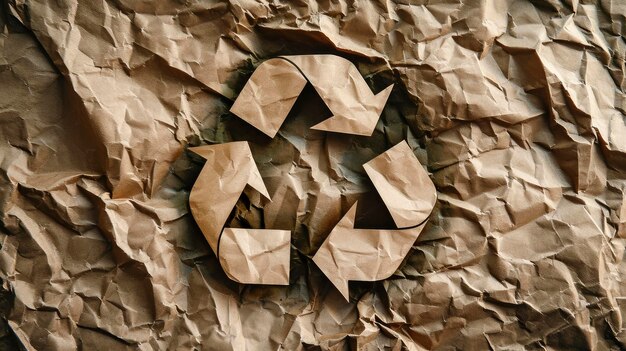
Why the cheapest option is rarely the most affordable one.
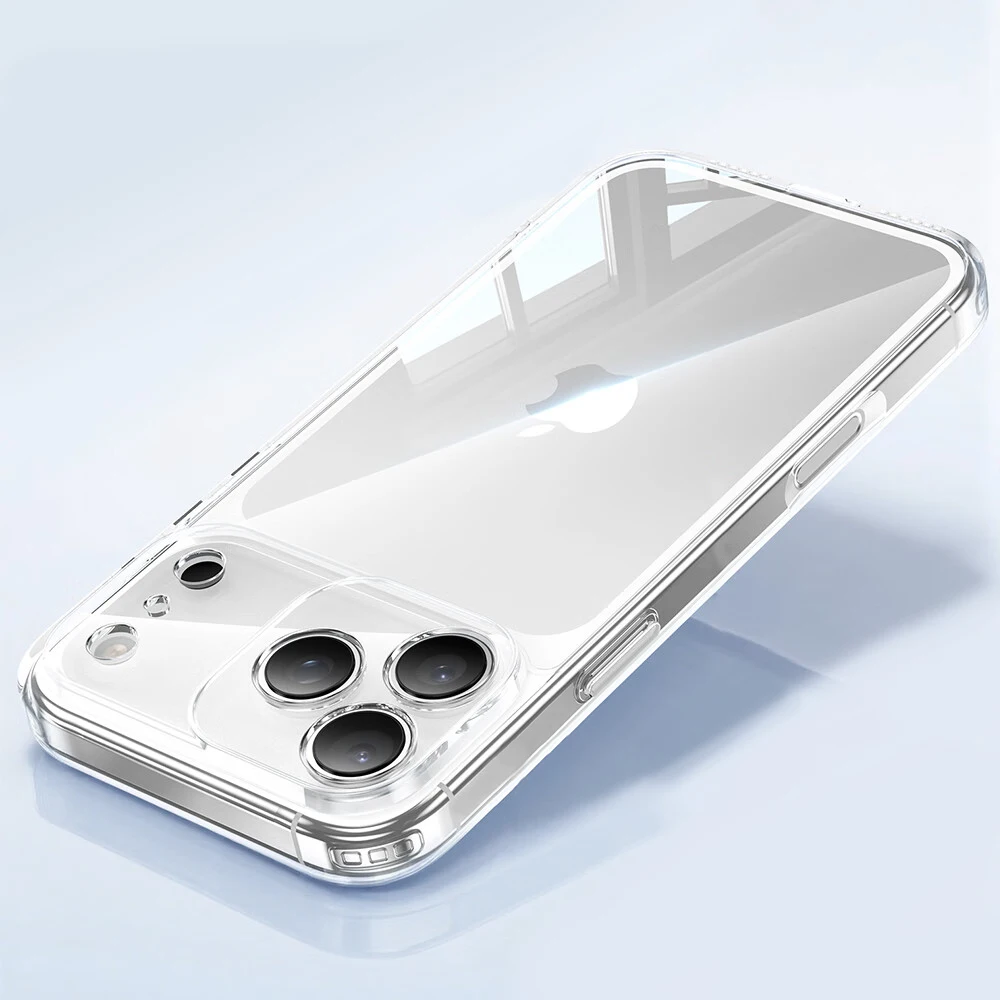
There is a particular kind of rationality at work when we buy a cheap phone case. The logic is intuitive: cases break, scratch, and bore us — why invest more than necessary? And yet this reasoning, applied at scale across hundreds of millions of consumers, produces an environmental consequence that is anything but rational.
The global phone case market generates an estimated 1.5 billion units annually. The vast majority are manufactured from conventional plastics — primarily polycarbonate and thermoplastic polyurethane — materials derived from fossil fuels, difficult to recycle, and designed with no end-of-life consideration whatsoever. When they are discarded, they enter a waste stream largely unprepared to receive them.
The True Cost of Disposability
The low price point of mass-market phone cases is not a natural market outcome. It is the result of a specific set of choices: cheap virgin plastic, labour arbitrage, minimal quality control, and the externalisation of environmental costs onto ecosystems and future generations. The €5 case is inexpensive to the consumer precisely because its true costs are distributed elsewhere.
“Cheap cases are designed to be replaced. Each replacement is a fresh transaction for the manufacturer — and a fresh burden for the planet.”
Consider the lifecycle. A low-quality polycarbonate case typically survives six to twelve months before yellowing, cracking, or simply losing aesthetic appeal. The consumer replaces it — often with another cheap case — and the cycle repeats. Two cases per year, across a smartphone-owning lifetime of perhaps thirty years, amounts to sixty cases per person. Multiply that by the global smartphone user base and the numbers become genuinely staggering.
The Material Question
Not all plastics are equal, and not all alternatives are as green as their marketing suggests. The sustainable phone case space has matured considerably in recent years, and it is worth understanding what genuine progress looks like versus greenwashing.
Biodegradable plastics sound promising but require specific industrial composting conditions to break down — conditions that most consumer waste streams cannot provide. Tossed into a landfill, they behave much like conventional plastic. Recycled plastics are more reliably impactful, as they reduce virgin material demand and utilise waste streams that would otherwise compound the problem. Plant-based materials such as flaxseed composites and bamboo offer genuine alternatives, provided the production chain is transparently audited.
1.5Bphone cases produced globally each year
<5%of phone cases are currently recycled at end of life
400yrestimated breakdown time for conventional polycarbonate
Durability as an Environmental Value
The most compelling sustainability argument for a better-made phone case is not the material — it is the lifespan. A case that lasts three years instead of one year is, in the most straightforward accounting, three times less damaging. Durability is not merely a quality attribute; it is an environmental one.
This reframes the economics entirely. A case that costs three times as much but lasts three times as long is the same price per year of use — and imposes a fraction of the environmental burden. The question is no longer “why spend more?” but “why replace so often?”
Our commitment: We design our cases to last. Every material choice is made with longevity in mind, and we offer a repair and replacement programme for cases that genuinely wear out — because a brand that calls itself sustainable must account for end of life, not just production.
The Role of the Consumer
It would be convenient to locate responsibility entirely with manufacturers and policymakers — and they do bear significant responsibility. But consumer choices aggregate into market signals, and market signals shape what gets made. The decision to buy once, thoughtfully, rather than repeatedly and carelessly, is a material contribution to a different kind of market.
This does not require sacrifice. The sustainable phone case market now offers genuine aesthetic richness — cases that are beautiful, considered, and designed to last. The false choice between sustainability and style, or between sustainability and affordability, is increasingly difficult to defend.
The €5 case is not actually cheap. Its costs are simply hidden — distributed across ecosystems,manufacturing communities, and the atmospheric commons. Understanding that is the first step toward making a genuinely better choice.
EnvironmentConscious ShoppingMaterialsSlow Fashion
How Much Do Phone Cases Cost in 2026? A Simple Guide – Scorpify